


Latest news


David Becker, CEO of First Internet Bank, writes that the 10% Credit Card Interest Rate Cap Act proposed by Senators Sanders and Hawley, while intended to alleviate the pressure of $1.17 trillion in credit card debt, may actually backfire: banks will tighten credit and raise fees, high-risk consumers will be forced to turn to high-risk alternatives like payday loans, and fintech companies will also be impacted. He urges lawmakers to focus on transparency and responsible lending rather than simple price controls.
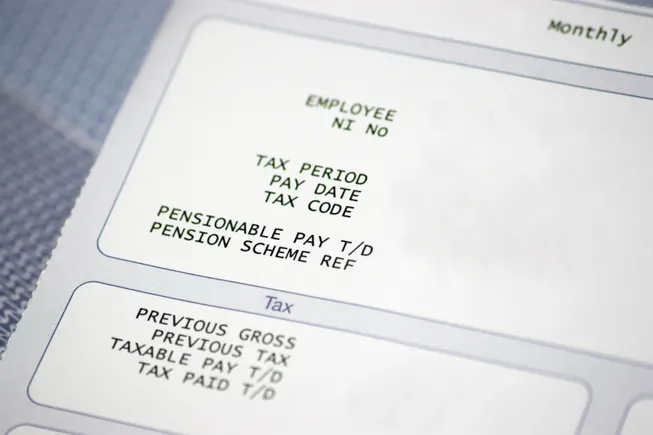
The instant wage access (EWA) industry has evolved over a decade from a disruptive innovation to a field facing cost and compliance controversies. Author Jason Lee points out that many workers incur high fees due to frequent use of EWA, and regulatory lawsuits are frequent. He argues that the industry should provide free, compliant services through technological innovation rather than lobbying for legislation, and cites warnings from regulators in California and New York, emphasizing that free EWA is the way forward.

Jonathan Davis, an associate professor at the University of Oregon in the United States, argues that amid tariffs, stock market volatility, and AI-driven layoffs heightening household financial uncertainty, earned wage access (EWA) tools can help workers living paycheck to paycheck access their earned wages before payday, avoiding high-cost borrowing, and calls on policymakers to improve safeguard mechanisms rather than restrict their use.

Large U.S. banks are restricting competition from fintech and digital asset companies by charging high data access fees, threatening consumer choice. The author calls on the government to strengthen open banking rules (Section 1033) to ensure consumer data autonomy and avoid hindering innovation.
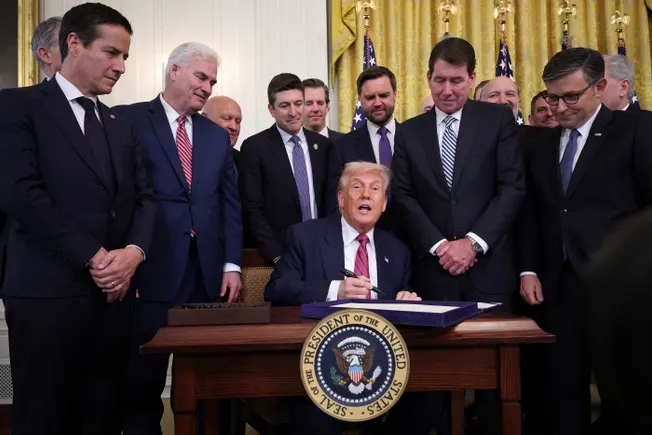
The U.S. GENIUS Act provides regulatory legitimacy for stablecoins, but ACI Worldwide executive Phil Bruno writes that stablecoins still face 'last mile' challenges in cross-border settlement: local currency conversion relies on domestic banking systems, and there is a lack of interoperability between stablecoins and blockchains, making it difficult to replace existing instant payment networks in the short term.
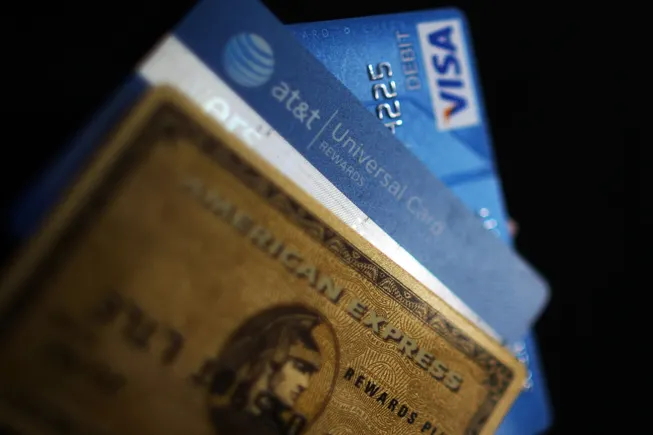
Multiple U.S. states and Congress are pushing to cap credit card swipe fees, claiming it benefits small businesses. However, the owners of three beauty salons in Wisconsin and Jessica Ward, senior director of state affairs at the National Taxpayers Union, argue in an article that such policies actually shift costs and harm community banks and small businesses.

Although digital payment adoption is rapid, critical sectors like healthcare remain trapped in manual and paper-based workflows, with estimated annual losses reaching $18.4 billion. A recent White House executive order requiring federal payment modernization signals a cross-industry transformation. The healthcare case shows that administrative burdens continue to rise, and automated payments can significantly reduce costs and improve efficiency, but require strategic collaboration and platform support.

The U.S. Consumer Financial Protection Bureau (CFPB) under new leadership is attempting to repeal Rule 1033, which gives consumers control over their financial data. Repealing it would harm consumer interests, hinder innovation, and reduce competition in banking. The successful implementation of open banking models in the UK and Australia demonstrates that secure data sharing can promote competition and credit accessibility.
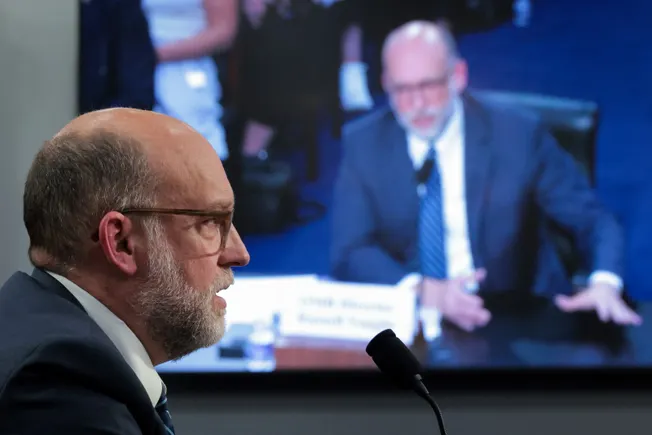
Despite shifting U.S. regulatory policies, industry lawyers and executives expect the open banking trend, which allows banks and payment institutions to share consumer data more conveniently, to continue advancing.