


Latest news

In this article, Instant Financial CEO Tal Clark shares conversations with Fortune 500 CEOs, revealing a disconnect in leadership's understanding of the daily financial pressures faced by hourly workers. He advocates that EWA services provide a much-needed safety net and predicts that as competition intensifies in industries like restaurants and retail, instant pay will become a key tool for employee retention.
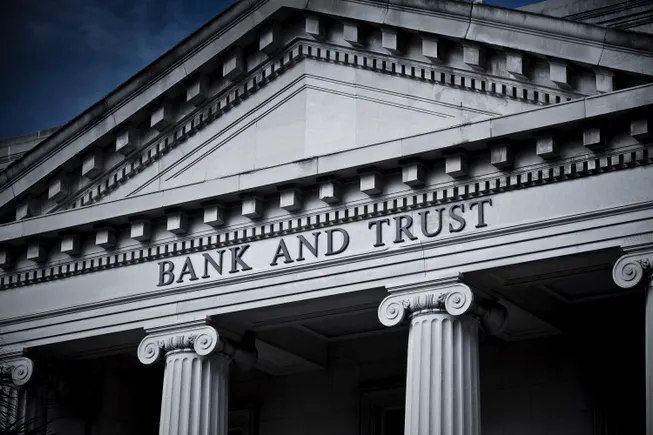
The Federal Reserve recently announced extending the operating days of the Fedwire Funds Service to Sundays and federal holidays, marking a significant step toward 24/7 operations in the payment industry. Mihail Duta, Director of Global Solutions Consulting and Payments at Finastra, believes that banks should seize this opportunity to accelerate payment system modernization to support instant payments, the ISO 20022 standard, and meet the needs of young digital-native customers. Despite the complexity and high cost of the upgrade process, more than half of banks plan to increase investment in new payment hubs, making modernization an inevitable trend.

Looking ahead to 2026, we have selected six major trends in the payment sector and further narrowed down three for in-depth discussion. Senior journalist Justin Bachman analyzes the practical timeline and challenges of AI-driven agent payments; reporter Patrick Cooley reports on how payment personalization is reshaping consumer experiences; and editor-in-chief Lynne Marek focuses on the industry's doubled investment in security defenses. The full article aims to help readers prepare for the new year.

Although digital shopping bots have transformative potential, early use may be limited to low-risk everyday items. In 2026, agentic commerce will accelerate, and payment and retail technology will face major adjustments similar to those in the internet era. Banks, card networks, merchants, and others are dealing with fraud, trust, identity verification, and protocol competition, while the lag in payments has become key to constraining fully automated transactions.
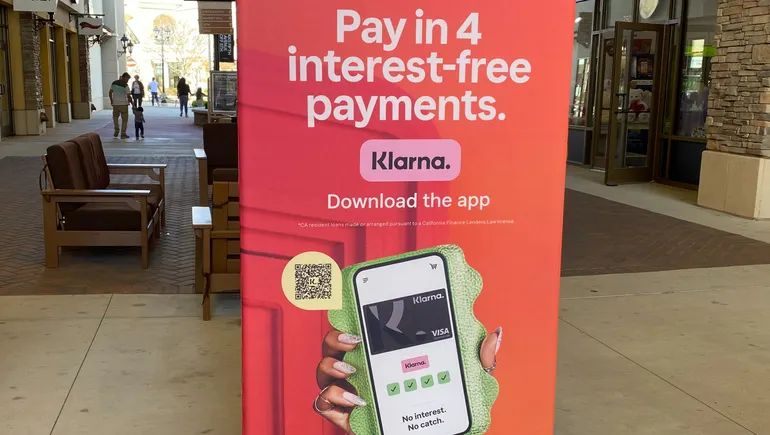
Payment personalization is accelerating under the push of AI, extending from shopping recommendations to payment method recommendations and even agent-initiated orders. Industry experts point out that AI agents can analyze consumer data in real time and select the optimal payment account, prompting payment institutions to compete for recommendation slots just as merchants compete for search rankings. This article reviews the current state of payment personalization, industry response strategies, and future trends.

In 2026, payment fraud risks are expected to intensify due to the involvement of AI, with new fraud methods such as deepfakes and synthetic identities emerging one after another. Industry experts point out that while AI improves payment efficiency, it also provides fraudsters with more sophisticated tools for their crimes. This article synthesizes the views of multiple industry insiders to analyze the current fraud landscape, technological responses, and regulatory developments.

Premium payment cards are shifting from plastic to metal, becoming a status symbol. Issuers such as American Express and JPMorgan Chase have launched metal cards, and the market continues to grow, but metal cards account for only about 1% of the global market.
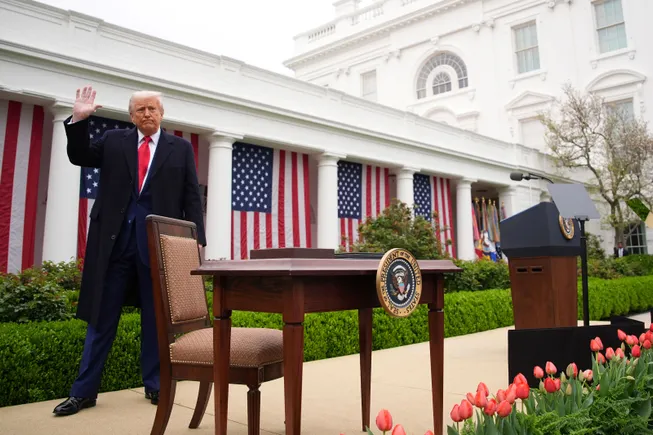
The United States has assumed the G20 presidency and needs to fulfill its commitments to modernize cross-border payments. The article points out that the Federal Reserve's restrictions on access to payment systems make the United States the only G7 country that has not opened direct access to non-bank payment institutions, leading to high costs and hindered innovation. Federal Reserve Governor Waller has proposed a "streamlined master account" solution that could improve the current situation. At the same time, the article calls for greater price transparency, citing Wise research that eliminating hidden currency markups could save U.S. consumers and businesses approximately $19 billion in 2025.
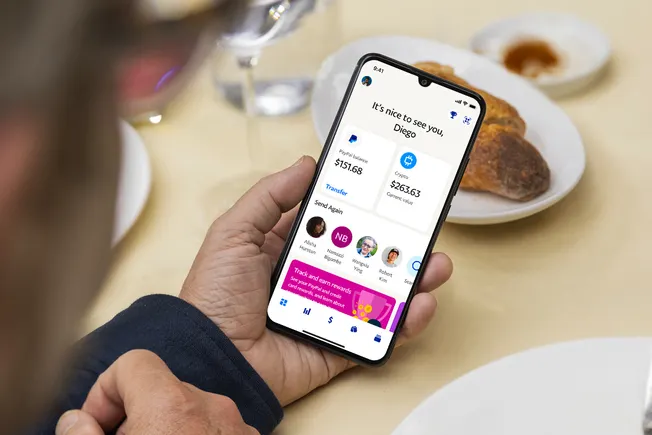
The payment industry will face a critical turning point in 2026: the implementation of a federal stablecoin regulatory framework, state-level regulation filling the CFPB gap, accelerated penetration of agentic commerce, ongoing interchange fee disputes, and persistent fraud risks. This article outlines six major trends and analyzes how the industry can innovate and adapt within the new regulatory environment.
Visa's CEDP program, effective October 17, requires real transaction data, but some processors and gateways still circumvent it with random fake data, with experts warning that merchants face the risk of losing discounts and incurring additional fees.