


Latest news

The U.S. Consumer Financial Protection Bureau (CFPB) plans to reclassify earned wage access (EWA) apps as loans, a move that could backfire and push users back to high-cost payday loans. This article analyzes the fundamental differences between EWA and payday loans, compares state-level regulatory models, and urges the CFPB to avoid applying outdated regulations.
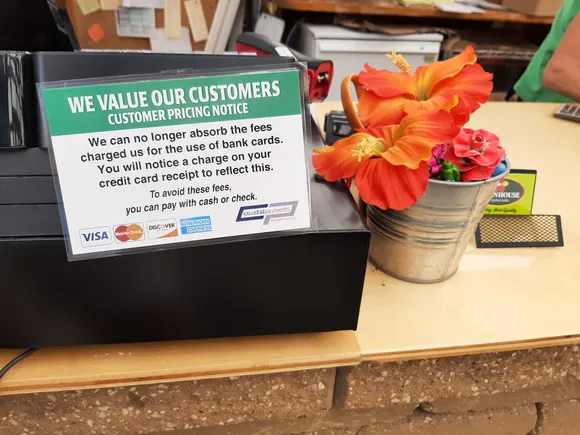
The controversy over card surcharging in the payments and accounts receivable sector has a long history. Nick Izquierdo, Executive Vice President at Billtrust, writes that surcharges are not a customer-unfriendly "necessary evil," but rather a strategic advantage that can benefit both businesses and customers. Through transparent communication, flexible payment options, and compliant operations, companies can leverage surcharges to optimize cost structures, improve cash flow, and boost customer satisfaction.

The U.S. Consumer Financial Protection Bureau (CFPB) recently proposed regulating earned wage advance (EWA) products under traditional credit rules (TILA). Brian Tate, CEO of the industry group Innovative Payments Association, argues that the rule would stifle competition, increase costs for workers accessing their earned wages, and could, due to credit checks, shut out the low-income groups most in need, pushing them back toward payday loans.

Following the global CrowdStrike outage, a former Senate Judiciary Committee counsel urges Congress to pass the Credit Card Competition Act, which would mandate backup networks for credit cards, mirroring the Durbin Amendment's debit card safeguards and fostering competition.
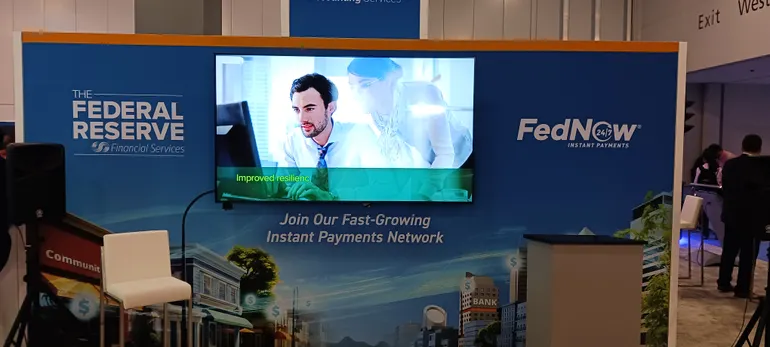
Since FedNow launched in July 2023, over 900 financial institutions have signed up, but enterprise-level adoption still faces challenges in trust, efficiency, risk, and security. Ani Narayan, product lead at Modern Treasury, proposes that by strengthening infrastructure (unified directories, real-time reconciliation), standardizing interfaces (RFP experience, unified identity, QR codes), and clarifying rules (legal updates, risk attribution), the adoption of FedNow and RTP can be accelerated, benefiting businesses and consumers with more efficient instant payments.

Deepfake technology is being abused for disinformation and social engineering attacks, and the payment industry, because it controls the flow of funds, has become a critical link in identifying and blocking malicious services. This article explores how payment service providers use a combination of technology and human review to combat deepfake services.
Since its launch in July 2023, the Federal Reserve's FedNow instant payment system has seen slow adoption, with only about 700 financial institutions currently signed up. Compared with the rapid adoption of Brazil's Pix and India's UPI, experts point out that mandatory adoption, merchant payment scenarios, digital identity ecosystems, and auxiliary features such as QR codes are success factors, while the U.S. credit card culture, fragmented banking system, and lack of mandatory requirements make it difficult for FedNow to replicate other countries' experiences.
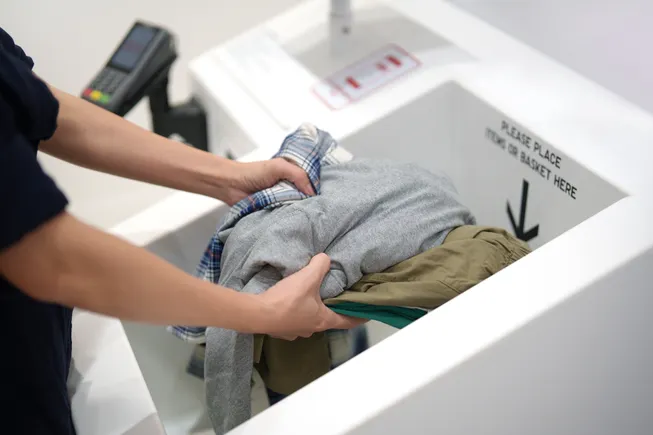
In recent years, retail stores have commonly faced understaffing due to operational adjustments, hiring difficulties, and cost cuts. However, experts point out that simply relying on technology to replace human labor often backfires, as customer expectations for service rise, and technical failures still require employees to resolve. Data shows that retail employment continues to decline, but store operational complexity has increased, making labor shortages prominent. This article explores the balance between technology and manpower, the reasons for employee turnover, and how retailers can retain talent through reasonable compensation and training.
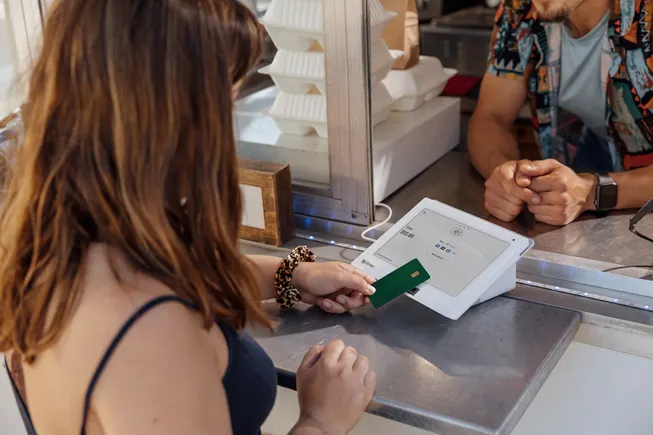
Fiserv's Clover business saw a 30% year-over-year revenue increase in the fourth quarter of 2023, with full-year revenue reaching $2.1 billion. The company plans to boost Clover's revenue to over $4 billion by 2026 and expand its international market presence. However, analysts have differing views on the feasibility of this goal, and competitor Square is also intensifying its efforts.
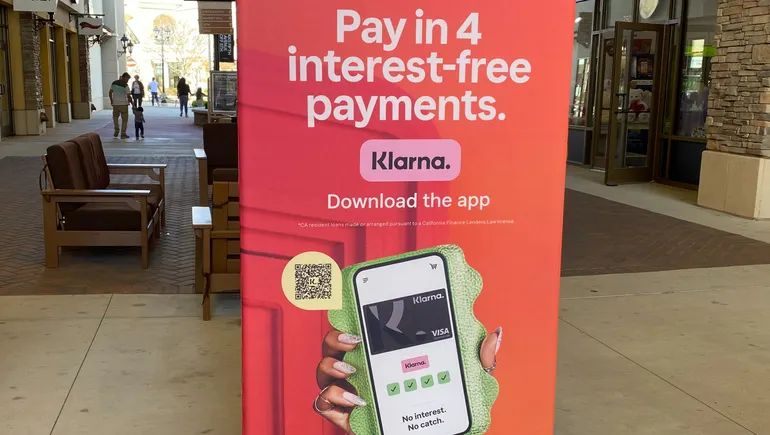
During the COVID-19 pandemic, buy now, pay later (BNPL) providers expanded rapidly amid a wave of abundant capital and strong consumer spending. Now that the tide has receded, rising interest rates and inflationary pressures test the sustainability of this business model. Based on data from multiple institutions and expert opinions, this article analyzes the profitability challenges, regulatory risks, and future paths for major players such as Klarna, Afterpay, and Affirm.