


Latest news

Stablecoins demonstrate significant potential in cross-border payments by reducing intermediaries, enabling near-real-time settlement, lowering transaction costs, and unlocking liquidity in emerging markets. Despite existing risks, regulatory frameworks are gradually improving, and stablecoins have become an indispensable payment infrastructure.

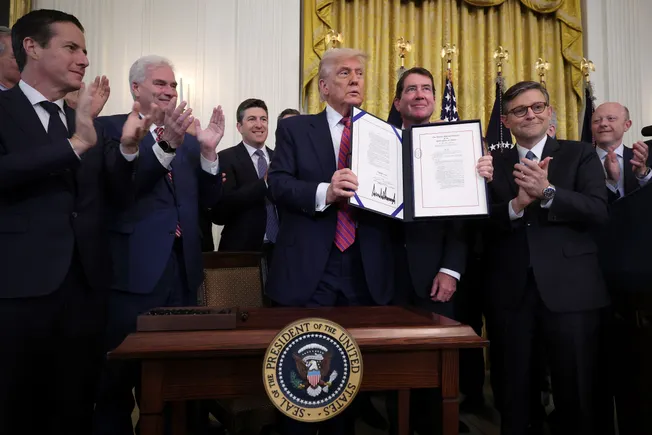
President Trump signed the GENIUS Act and issued an executive order on payment modernization to promote the development of digital payments, but his closure of the Consumer Financial Protection Bureau (CFPB) and opposition to open banking have raised industry concerns. This article weighs the pros and cons of these policies on payment innovation.
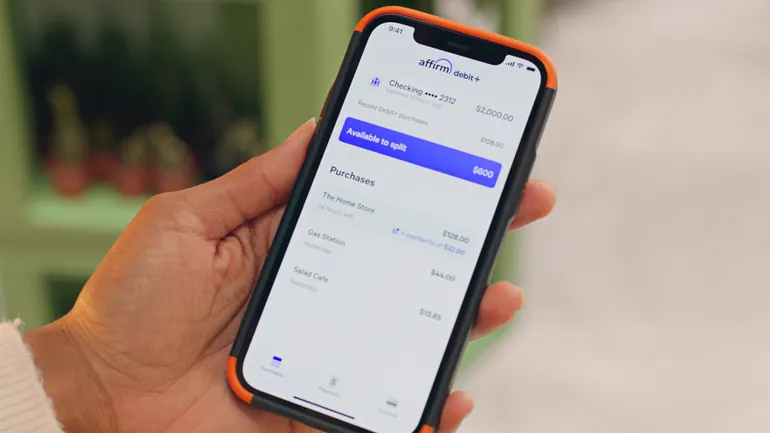
Payment stablecoin usage surges, but the Genius Act does not provide adequate consumer protection, with risks such as irreversible erroneous payments, uncapped redemption fees, and lack of private right of action.

Dan Muller, CEO of payment technology company Aeropay, believes that AI will not automatically solve fraud problems but may instead be maliciously exploited, giving rise to new attack methods such as deepfake identities and voice cloning. He calls on the industry to shift focus from pursuing advanced models to building trust-based judgment and defensive infrastructure to address next-generation fraud risks.

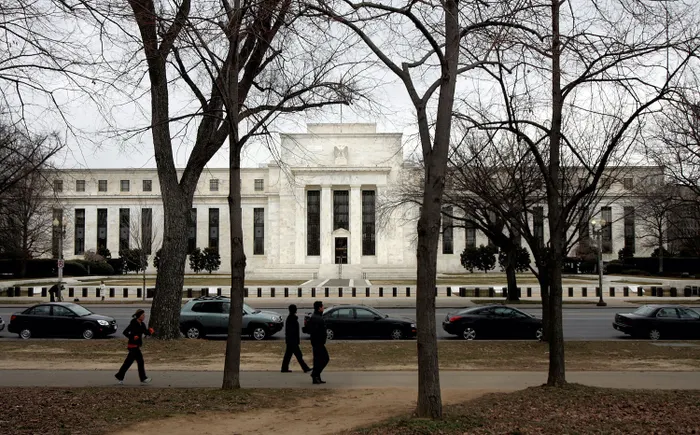
The U.S. payment industry is constrained by outdated rules, preventing digital payment companies from directly using the Federal Reserve payment system and forcing them to rely on bank intermediaries, leading to transaction delays and increased costs. This article recommends that Congress take bipartisan measures to establish a limited-purpose payment bank charter, allowing these companies direct access to systems such as FedNow while maintaining appropriate oversight, to enhance efficiency, promote competition, and benefit consumers and businesses.

Phil Goldfeder, CEO of the American Fintech Council, believes that BNPL providers should comprehensively and standardly report user repayment data to credit bureaus to fill the credit reporting gap, enabling consumers who use BNPL responsibly to receive the credit score improvements they deserve.
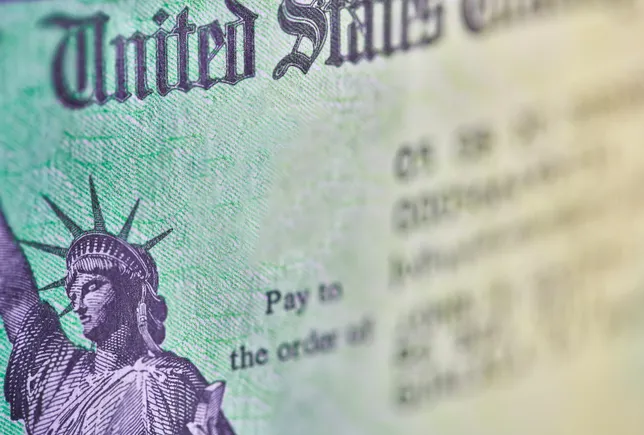
The U.S. Treasury Department announced that it will stop issuing paper checks starting September 30 and fully transition to electronic payments. Although this move aims to improve efficiency and security, the notice period of only six weeks may leave the most vulnerable groups who rely on such payments in a difficult position. This article explores the risks behind the policy and feasible transition options.