


Latest news

The Financial Technology Association (FTA) filed a lawsuit in a Tennessee court on Wednesday, alleging that a new state law taxing cross-border money transfers is unconstitutional. The law imposes a $10 fee on each international transfer and an additional 2% fee on transfers exceeding $500, and is scheduled to take effect on January 1, 2027. The FTA seeks a permanent injunction and warns that the tax will impose a heavy burden on consumers and businesses.

The revised merchant settlement between Visa and Mastercard received preliminary court approval on Tuesday, with the key change being the elimination of the 'honor all cards' rule. Judge Brian Cogan found that the new agreement provides broader relief than the 2024 version. This article outlines the four reasons the settlement has survived: the significance of the rule change, the prolonged litigation, the networks' robust defenses, and the ongoing objection process that will continue.
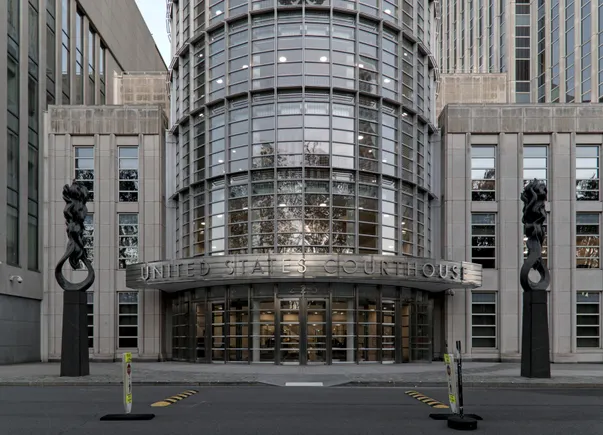
Epiq, the administrator of the $5.5 billion Visa and Mastercard class action settlement, will report claims processing progress to the court quarterly, with the first report expected by July 10. This move aims to address merchants' dissatisfaction with the slow pace of payouts.
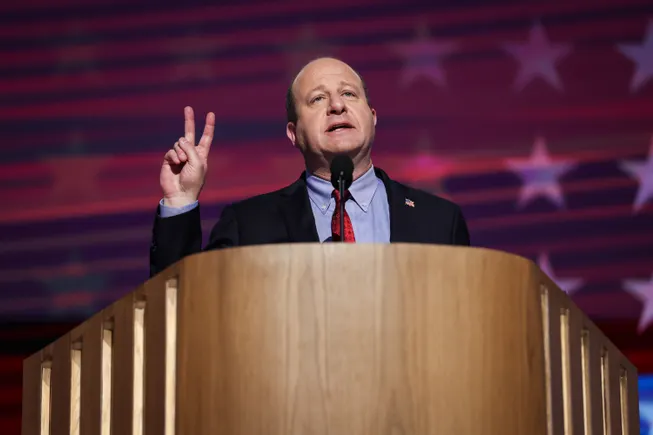
Colorado Governor Jared Polis vetoed SB26-134, a bill that sought to prohibit card networks from charging interchange fees on the tax portion of credit and debit card transactions. In his veto letter, Polis stated that the bill could bring chaos to the state's business environment, tourism, and consumers, and noted that federal intervention and litigation delays made the bill's implementation prospects uncertain. Industry groups had mixed reactions, with banking and payment associations expressing appreciation, while merchant groups expressed disappointment.

The U.S. Consumer Financial Protection Bureau (CFPB) announced on Tuesday that fintech company Bilt Technologies will refund fees to approximately 500 newly identified customers affected by the card transition. The CFPB stated that following discussions and directives, Bilt has proactively contacted potentially affected customers, committing to refund overdraft fees, late fees, or insufficient funds fees related to the transition.

Trump has proposed a 10% cap on credit card interest rates, but his administration may allow high-cost online lenders to circumvent state interest rate limits by acquiring national banks. If companies like NetCredit and OppFi are approved, they could charge 100% or even higher APRs nationwide, including in 45 states that prohibit such rates. The author urges Trump to reject these applications and support congressional legislation setting a 36% national interest rate cap.
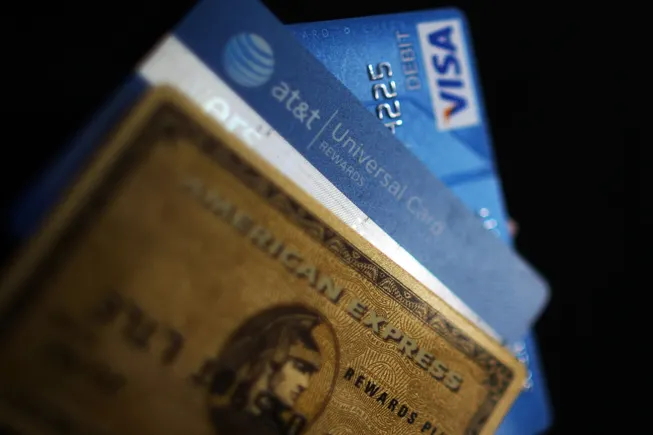
Some bipartisan members of the U.S. Congress support capping credit card interest rates at 10%. The author, Melissa Koide, founder and CEO of FinRegLab, points out that this seemingly beneficial policy could backfire: it may lead to 74% to 85% of active accounts being closed or having their limits sharply reduced, forcing borrowers to turn to more expensive alternative channels, and severely impacting small businesses that rely on credit card financing.

Earned Wage Access (EWA) is becoming an important financial tool for millions of American workers to manage daily and unexpected expenses. Citing research from FTI Consulting, the Financial Health Network, and economists at the University of Oregon, this article explains that EWA products carry no interest, involve no debt collection, offer free options, and do not harm credit scores. Additionally, the article reviews the recognition of EWA's non-credit nature by nearly a dozen U.S. states and the Consumer Financial Protection Bureau (CFPB), and introduces the progress of bipartisan federal legislation promoted by Representatives Bryan Steil and Ritchie Torres.

Adobe reached a $150 million settlement with regulators over its subscription cancellation practices, sparking heated discussion in the payments and SaaS industries. Author Priya Lakshminarayanan points out that the real loss far exceeds the fine—friction in the cancellation process is not a retention strategy but a trust tax. Regulatory intervention fills an industry gap, and companies should make subscriber retention an active choice.

UK banks, concerned about Visa and Mastercard's excessive market control, are seeking to reduce dependence. However, building alternative payment networks faces ecosystem challenges and user habit resistance, and European initiatives like Wero remain limited. Experts believe a more realistic prospect is the localized evolution of existing card networks under regulatory pressure, rather than their replacement.